

Graham is 63, lives in Bendigo and stopped work last year when his back finally gave out. He isn’t old enough for the Age Pension, he isn’t on JobSeeker, and he’s drawing a modest amount from his super each fortnight. At the chemist he pays full price for three regular scripts, and a friend at bowls asked him why he didn’t have a “health care card”. Graham assumed he wouldn’t qualify for anything because he owns his home and has some savings.
He may well qualify. The Low Income Health Care Card is a Centrelink concession card for people on a low income who don’t get a pension or allowance that comes with its own card. There is no assets test and no age limit at the top end, so it suits early retirees, part-time workers and people living off a small super income. The test is your gross income over the last eight weeks, and as at November 2026 a single person with no children must be under $826 a week to claim.
What the card is, and who it’s for
Most people who get a Centrelink payment receive a concession card automatically. Age Pension recipients get a Pensioner Concession Card, and people on payments such as JobSeeker get a Health Care Card. The Low Income Health Care Card fills the gap for people who are not on any of those payments but still have a low income.
To get one, Services Australia says you must be either 19 or older, or younger than 19 and independent or eligible for Family Tax Benefit. You also need to meet the residence rules and the income test. Crucially for older Australians, Services Australia states plainly that you don’t need to pass an assets test. Your home, your car, your savings balance and your super balance are not tested as assets, although income from financial investments and super income streams is counted (more on that below).
That makes the card worth checking for:
- people in their late 50s and early 60s who have retired early or been pushed out of work, but aren’t yet Age Pension age
- people over Age Pension age who don’t get the pension because of the assets test, but whose actual income is low
- part-time or casual workers whose hours have dropped
If you’re already of Age Pension age and not on a pension, also compare the Commonwealth Seniors Health Card, which uses an annual taxable income test with much higher limits. The two cards are aimed at different situations. A Health Care Card is also accepted for some state services that the Seniors Health Card isn’t, such as adult public dental care in Victoria, South Australia, Western Australia and Tasmania.
The income test, in plain terms
There are two income limits. One applies when you first claim or renew the card, and a higher one applies while you hold it. Services Australia assesses your gross income before tax from the eight weeks before you claim.
These are the limits published by Services Australia (page updated 20 September 2026):
| Your situation | To claim or renew (weekly) | To claim or renew (8 weeks) | To keep the card (weekly) |
|---|---|---|---|
| Single, no children | $826.00 | $6,608.00 | $1,032.50 |
| Couple combined, no children | $1,410.00 | $11,280.00 | $1,762.50 |
| Single, one dependent child | $1,410.00 | $11,280.00 | $1,762.50 |
| Couple combined, one child | $1,444.00 | $11,552.00 | $1,805.00 |
| Each extra child, add | $34.00 | $272.00 | $42.50 |
The “keep the card” limit matters if your income goes up for a while after you’re approved. Services Australia says it will cancel the card if your income is over that higher limit in any eight-week period before the card expires.
What counts as income
As well as wages and self-employment income, Services Australia assesses:
- rental income and employer-provided fringe benefits
- reportable super contributions, including salary sacrifice
- Centrelink and Department of Veterans’ Affairs payments
- deemed income from financial investments such as bank accounts, shares and managed funds
- deemed income from account-based income streams, and income from other super pensions and defined benefit streams
- foreign income, income from private trusts and companies, and compensation and lump sum payments such as redundancy or leave payouts
Deeming is the part that catches people out. Centrelink doesn’t use the interest your bank actually pays you. It assumes your financial assets earn a set rate and adds that “deemed” amount to your income. Our explainer on how deeming rates work walks through the calculation. For someone like Graham with a sizeable account-based pension, deemed income can be the deciding factor.
What the card gets you
The Commonwealth benefits are the same for every Low Income Health Care Card holder. According to Services Australia, you get:
- Cheaper PBS medicines. As at November 2026, concession card holders pay up to $7.70 per PBS script, compared with up to $25.00 for general patients.
- A lower PBS Safety Net. Once you or your family have spent $277.20 on PBS medicines in a calendar year (the 2026 concession threshold), further PBS scripts are free for the rest of that year once you have a Safety Net card.
- Bulk-billed GP visits, although Services Australia notes this is up to your doctor.
- A bigger refund for medical costs once you reach the Medicare Safety Net threshold.
State and territory governments and some councils add their own concessions on top. Services Australia lists examples such as cheaper electricity and gas, property and water rates, ambulance, dental and eye care, and public transport fares.
What it doesn’t get you
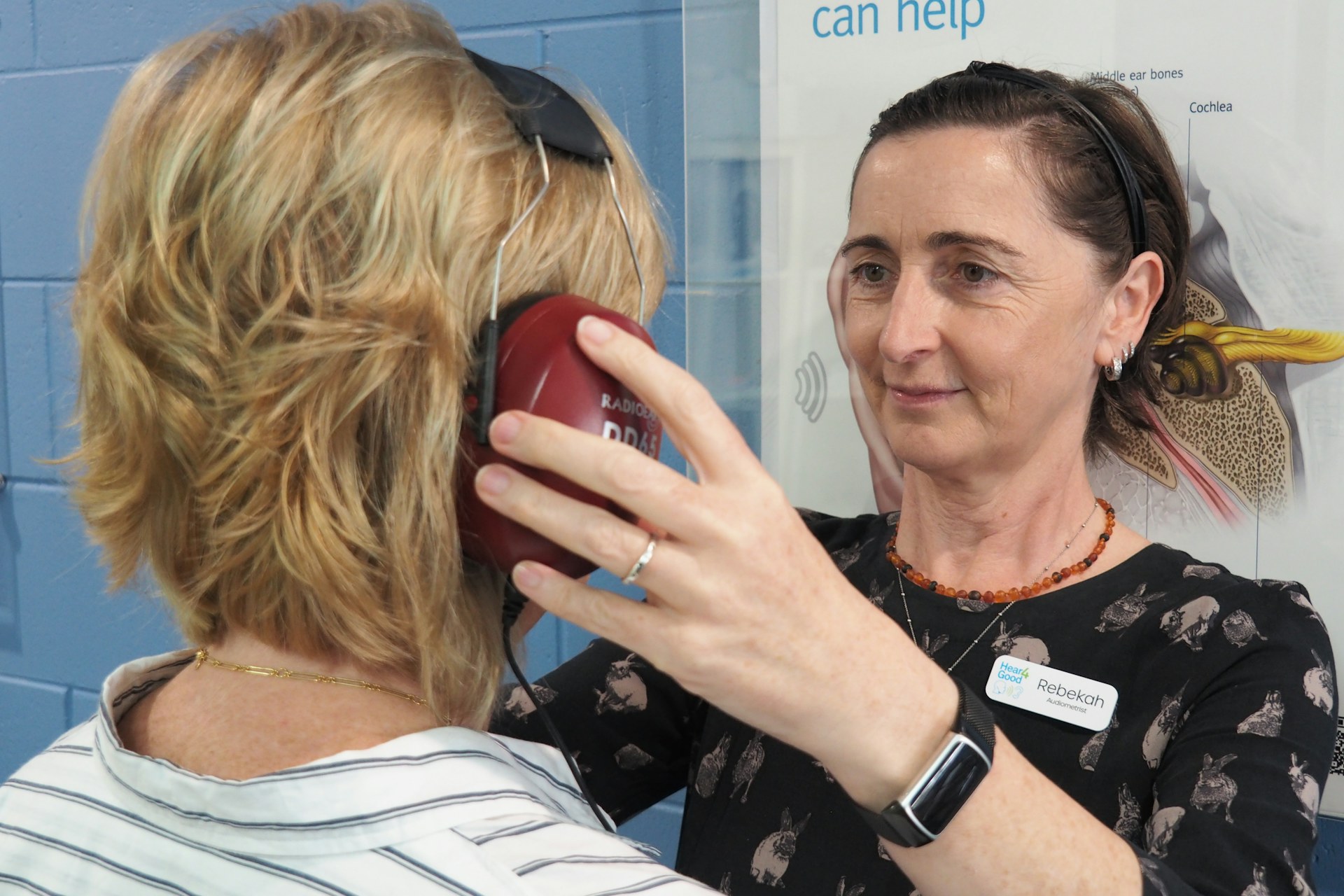
The Low Income Health Care Card is not a Pensioner Concession Card, and the difference matters for some programs. The biggest one for older readers is hearing. The Australian Government Hearing Services Program voucher scheme is open to Pensioner Concession Card holders and some veterans, but not to Health Care Card or Commonwealth Seniors Health Card holders. Our guide to the Pensioner Concession Card explains the extra benefits that card carries.
State concessions and public dental, at a glance
Public dental care is one of the most valuable state benefits, and every state and territory accepts a Health Care Card for adult public dental services. Fees, waiting lists and the exact rules differ. The table below summarises what each state’s health department says, and where to look for the full list of state concessions. Our state-by-state guide to free and low-cost dental care for pensioners goes into more detail.
| State/territory | Adult public dental with a Health Care Card | Where to check other concessions |
|---|---|---|
| NSW | Free at public clinics; need a Medicare card and to live in the local health district. Call 1800 679 336. | NSW Government Community Support |
| VIC | Fee of $32.50 per visit, capped at $130 for a general course of care. Fees can be waived for hardship. | Victorian Government Concessions and benefits |
| QLD | Free for eligible Queensland residents. | Queensland Government Concessions |
| WA | You pay 25% or 50% of the fee, depending on your Centrelink income. | WA Concessions available |
| SA | Co-payments apply: emergency $72, general care up to $183. | SA Government concessions (sa.gov.au) |
| TAS | Must be the primary card holder. $47 per appointment, general care capped at $188. | Tasmanian Government Concessions |
| ACT | Must be the primary card holder. Emergency appointment $55.15; general care capped at $577.80 per treatment plan. | ACT Cost of living support |
| NT | Free for Health Care Card and Pensioner Concession Card holders. | NT Pensioner and Carer Concession Scheme (check whether it applies to you) |
If you also hold a state Seniors Card, the two work side by side. A Seniors Card is not means-tested and brings its own discounts; see our guide to the Seniors Card in each state.
Residence rules
On the day you claim you must be living in Australia and physically in Australia. You also need Australian citizenship, a permanent visa, a Special Category visa, or one of certain temporary visas (partner provisional or temporary protection). Services Australia notes that newly arrived residents may have to wait two or four years for the card, with some exemptions.
How to claim
- Set up myGov and Centrelink online. The easiest way to claim is online through a Centrelink online account linked to myGov. If you have a correspondence nominee, they can claim for you, but they’ll need their own myGov account.
- Gather your income details. Have your payslips, super pension statements, bank balances, share holdings and any rental income ready. You may need to prove your identity first.
- Make the claim. In myGov, select Make a claim or view claim status, then Make a claim, then Concession Cards. If you have a partner who’s also eligible, they lodge their own claim.
- Track it. You’ll get a receipt with a claim ID and an estimated completion date. The result arrives in your myGov Inbox, or by letter if you don’t get electronic letters.
If you can’t claim online, call the Services Australia line that handles concession card enquiries on 132 490 (Monday to Friday, 8 am to 5 pm), or visit a service centre. If you think a decision is wrong, you can ask for a review.
Keeping and renewing the card
A Low Income Health Care Card lasts 12 months. You must meet the claim-level income test again each year when you renew. In between, you must tell Services Australia if your income or circumstances change, such as returning to work, receiving a redundancy payment or selling an investment property. There are also rules about how long the card stays current if you travel overseas, so check before a long trip.
Official sources: Services Australia: Low Income Health Care Card; Services Australia: Income test for the Low Income Health Care Card; Services Australia: Benefits; Services Australia: PBS Safety Net thresholds; Department of Health, Disability and Ageing: Hearing Services Program eligibility.
FAQ
Is there an assets test for the Low Income Health Care Card?
No. Services Australia says you don’t need to pass an assets test. However, income from financial assets is counted through deeming, and income from super pensions, rental properties and other investments is included in the income test.
What is the income limit for a Low Income Health Care Card for a single person?
As at November 2026, a single person with no children must have gross income under $826 a week, or $6,608 over eight weeks, to claim or renew. Once you have the card, you can keep it while your income stays under $1,032.50 a week.
Can a retiree get a Low Income Health Care Card?
Yes, if their income is under the limit. There is no upper age limit and no assets test, so retirees who don’t get the Age Pension, including those below Age Pension age, can be eligible. Deemed income from super and savings is counted.
What is the difference between a Health Care Card and a Low Income Health Care Card?
Both give the same Commonwealth health concessions. A Health Care Card comes automatically with certain payments such as JobSeeker, while the Low Income Health Care Card is claimed separately by people on a low income who don’t get one of those payments.
Does the Low Income Health Care Card give free hearing aids?
No. The Hearing Services Program voucher scheme is for Pensioner Concession Card holders, certain veterans and some other groups. A Low Income Health Care Card or Commonwealth Seniors Health Card does not make you eligible.
How long does a Low Income Health Care Card last?
It is valid for 12 months. You need to renew it each year and meet the income test again, and tell Services Australia about changes in the meantime.
This article is general information only and isn’t financial or legal advice. Income limits, PBS amounts and state concessions were checked against official sources in November 2026 and change regularly. Confirm your own situation with Services Australia or your state concessions office before you rely on it.