

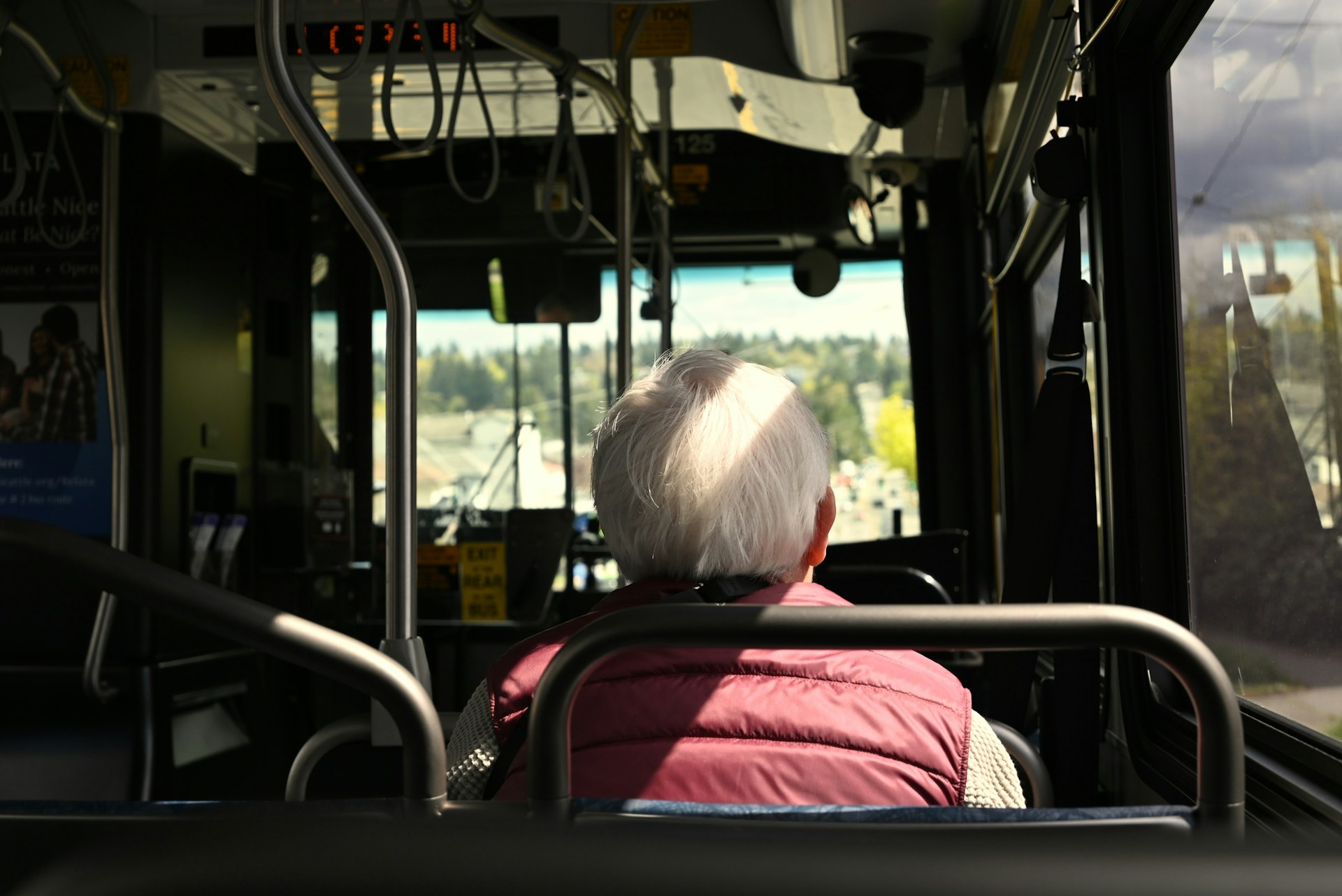
Turn 60 in Adelaide and you can ride the trains free all day, every day, even if you still work full time. Turn 60 in Perth and you can’t get a Seniors Card at all for another five years. Same country, same birthday, very different deal.
Seniors Cards are run by each state and territory, not by Canberra, so the rules, the age limits and the perks all vary. Here’s what you need to know about each one, what the card actually gets you, and how it’s different from the Commonwealth cards you might also be eligible for.
The quick comparison
The table below summarises eligibility and the headline transport benefit in each state and territory, based on the official program websites as at October 2026. Rules change, especially around transport, so check the linked state site before you rely on any of it.
| State/territory | Minimum age | Work-hours limit | Headline transport benefit |
|---|---|---|---|
| NSW | 60 | 20 hours a week or less (averaged over 12 months) | Gold Opal: never more than $2.50 a day |
| Victoria | 60 (50 for First Nations people) | Less than 35 hours a week | Free public transport statewide on weekends; concession fares on weekdays |
| Queensland | 65, or 60 to 64 with an eligible concession card | Work-hours limit applies; check eligibility | Translink fares are now 50 cents for everyone; free off-peak Brisbane City Council services for seniors |
| Western Australia | 65 | 25 hours a week or less | Free Transperth travel off-peak, weekends and public holidays |
| South Australia | 60 (50 for Aboriginal and Torres Strait Islander people) | None since 1 July 2026 | Free Adelaide Metro travel all day, every day |
| Tasmania | 60 | Less than 20 hours a week | Metro buses currently free for everyone until 30 June 2027 |
| ACT | 60 | 20 hours a week or less | Free off-peak travel aged 60 to 69; free at all times from 70 |
| Northern Territory | 60 | None listed | Free public bus travel in Darwin and Alice Springs |
State by state
New South Wales
You need to be 60 or over (you can apply up to three weeks before), an Australian citizen or permanent resident living in NSW, and either not working or averaging 20 hours or less of paid work a week over 12 months. If you work more, you get the Senior Savers Card instead, which gives business discounts but no transport concessions. You can switch once your hours drop. Apply through Service NSW.
The big prize is the Gold Senior/Pensioner Opal card. Transport for NSW says you’ll never pay more than $2.50 a day on metro, train, bus, ferry and light rail in the Opal network, weekdays or weekends. The Sydney Airport station access fee sits outside that cap.
Victoria
The Victorian Seniors Card is open to permanent residents living in Victoria who are 60 or over (or 50 and over for First Nations people) and work less than 35 hours a week. Work more than that and you get the Seniors Business Discount Card, which doesn’t include transport concessions. See Seniors Online.
The headline change: from 1 January 2026, Seniors Card holders travel free on trains, trams and buses anywhere in Victoria on weekends. Previously that only covered two neighbouring zones. You still tap on and off with your Seniors myki and carry your Seniors Card. On weekdays you get concession fares. Victorian cardholders also get free travel during the Victorian Seniors Festival each October.
Queensland
Queensland has three cards: the Seniors Card, the Seniors Card + go (which doubles as a go card on Translink services in South East Queensland), and the Seniors Business Discount Card for those who don’t qualify for the other two. You generally need to be 65, or 60 to 64 and holding an eligible Commonwealth concession card, and there’s a work-hours limit. One application covers all three and you’re issued the card with the most benefits you qualify for. Details are on qld.gov.au.
On transport, the concession matters less than it used to. All fares on Translink services are now 50 cents a journey, and half-price concession fares no longer apply. Brisbane City Council provides free travel for seniors on selected off-peak services when you tap on with a Senior go card or Seniors Card + go. The Gold Coast’s free bus travel for seniors ended on 1 July 2025, according to Translink.
Western Australia
WA has the highest entry age. You must be 65 or older, an Australian citizen or permanent resident living permanently in WA, and retired or working no more than 25 hours a week. The age was lifted gradually from 60 to 65.
The card has a SmartRider built in. The WA Seniors Card site says you travel free on Transperth from 9am to 3.30pm and from 7pm to 6am on weekdays, all weekend, on public holidays and during Seniors Week, with concession fares at other times. Members also get 50% off regional point-to-point travel with a SmartRider.
South Australia
South Australia has the most generous rules in the country. From 1 July 2026 the Seniors Card is open to all South Australian residents aged 60 and over who are citizens or permanent residents, regardless of how many hours they work. Aboriginal and Torres Strait Islander people can apply from 50. The old limit was fewer than 20 hours of paid work a week. Cardholders travel free on Adelaide Metro buses, trains and trams, all day, every day. Apply at seniorscard.sa.gov.au.
Tasmania
You need to be 60 or over, live in Tasmania and work less than 20 hours a week. The card is free and lifelong. On transport, there’s a bigger story right now: under a state government initiative, Metro Tasmania buses are free for everyone, with no fare or Greencard needed, until 30 June 2027.
Australian Capital Territory
The ACT Seniors Card is run by COTA ACT. You need to be 60 or over, a permanent resident living in the ACT, and not working more than 20 hours a week. Cardholders aged 60 to 69 get free off-peak travel on Transport Canberra buses and light rail, with concession fares at peak times. From 70, travel is free at all times. Note the card itself isn’t your ticket: you’ll need a MyWay+ travel card. See the ACT Seniors Card eligibility page.
Northern Territory
The NT Seniors Card is free, lifelong and open to permanent NT residents aged 60 and over. It’s run by COTA NT and gives discounts at participating businesses, and cardholders are entitled to free travel on public buses in Darwin and Alice Springs. It’s separate from the NT Concession Scheme, which has its own rules. Start at nt.gov.au.
Travelling interstate: the reciprocal deal
Here’s something many people don’t realise. Under what WA calls the National Seniors Transport Scheme, every state and territory accepts interstate Seniors Cards for concession travel on public transport. A few practical tips:
- Going to Sydney? Interstate Seniors Card holders need to apply for a Gold Opal card before arriving. Transport for NSW suggests applying three to four weeks ahead. ACT cardholders are treated like NSW cardholders for Gold Opal.
- Carry your actual card. Concession fares are only valid if you can show your entitlement when asked.
- Free travel usually doesn’t travel with you. Interstate visitors generally get concession fares, not the home state’s free-travel perks. Check with the local transport operator.
- Business discounts are largely honoured interstate and even in New Zealand, but it’s up to each business.
Seniors Card vs Commonwealth cards
People often mix these up. They’re completely separate programs.
| State Seniors Card | Commonwealth cards | |
|---|---|---|
| Run by | Your state or territory | Services Australia or DVA |
| Income or assets test | No | Yes (Pensioner Concession Card comes with a pension; the Commonwealth Seniors Health Card has an income test) |
| Main benefits | Transport concessions, business discounts, some state concessions | Cheaper PBS medicines, bulk billing incentives, and access to some state concessions such as energy and rates rebates |
| Age | 60 or 65 depending on state | Age Pension age for the CSHC |
Many people hold both, and you should. They’re both free. In some states a Commonwealth card also unlocks extra concessions the Seniors Card doesn’t, so it pays to check your state’s concessions page. The official rules for the federal card are on the Services Australia Commonwealth Seniors Health Card page.
Our view: the Seniors Card is one of the best-value bits of paper you can get after 60. The transport savings alone can be substantial, and getting out and about is good for you. If you’re volunteering, catching up with friends or getting to appointments, it’s a small card doing a lot of work. (We’ve written about why volunteering with kids is so rewarding, too.)
If you’re planning to keep driving rather than use public transport, our guide to licence medical checks for older drivers explains what to expect in each state.
FAQ
Does the Seniors Card have an income test?
No. State and territory Seniors Cards are based on age, residency and, in most places, how many hours you work. Income and assets don’t matter. The Commonwealth Seniors Health Card is the one with an income test.
Can I use my Seniors Card in another state?
Yes for concession public transport, which all states and territories honour. In NSW you’ll need to apply for a Gold Opal card before you travel. Free-travel perks usually only apply to the home state’s cardholders.
I still work full time. Can I get a Seniors Card?
In South Australia, yes, since 1 July 2026. In most other states you’ll get a business discount card instead (such as the NSW Senior Savers Card or Victoria’s Seniors Business Discount Card), which doesn’t include transport concessions. You can switch when your hours drop.
Does it cost anything to apply?
No. Seniors Cards are free in every state and territory.
This article is general information only. Eligibility rules and transport benefits change, sometimes at short notice, so check your state or territory’s official Seniors Card and transport websites before relying on any benefit.