
Joan, 74, from Toowoomba, had been turning the television up for a year before her grandson finally said something. She knew hearing aids could cost thousands and kept putting it off. Then her neighbour mentioned she’d got hers “through the government” for nothing. Joan has been on the Age Pension for almost a decade and had no idea she was eligible.
If you hold a Pensioner Concession Card, you can very likely get hearing aids at no cost through the Australian Government Hearing Services Program. You apply for a voucher, see a provider from the program’s network, and get a free hearing assessment. If you need a hearing aid, the provider must offer you a fully subsidised device that costs you nothing. The main ongoing cost is an optional maintenance agreement of about $50 a year.
What the Hearing Services Program is
The Hearing Services Program is run by the federal Department of Health, Disability and Ageing. It has two parts:
- The voucher scheme, delivered by more than 300 private and public hearing providers across about 3,000 locations Australia-wide. This is the part most pensioners use.
- Community Service Obligations (CSO), delivered only by Hearing Australia, for people under 26, eligible Aboriginal and Torres Strait Islander people, people who need specialist hearing services and eligible people in very remote areas.
The program is large. The department reports that 834,048 Australians received program support in 2024–25 and 446,226 hearing devices were fitted that year.
Who is eligible for the voucher scheme
According to the department, you are eligible if you are an Australian citizen or permanent resident (or live on Norfolk Island), are aged 21 or older, and you are:
- a Pensioner Concession Card holder, or the spouse of one
- a DVA Gold Card holder, or their spouse
- a DVA White Card holder with hearing-specific conditions, or their spouse
- a member of the Australian Defence Force (permanent Navy, regular Army, permanent Air Force, or Reserves on continuous full-time service)
- referred by an Inclusive Employment Australia provider
Two points trip people up. First, the spouse rule: if your husband, wife or partner holds a Pensioner Concession Card, you can be eligible even if you don’t hold one yourself. Second, a Commonwealth Seniors Health Card does not give eligibility, and neither does a Low Income Health Care Card. Self-funded retirees on a Seniors Health Card often expect to qualify and are disappointed. Our guide to what the Pensioner Concession Card gets you lists the payments that come with that card, including the Age Pension, Disability Support Pension and Carer Payment.
What you get, and what it costs
Once you have a voucher, the program covers:
- a hearing assessment
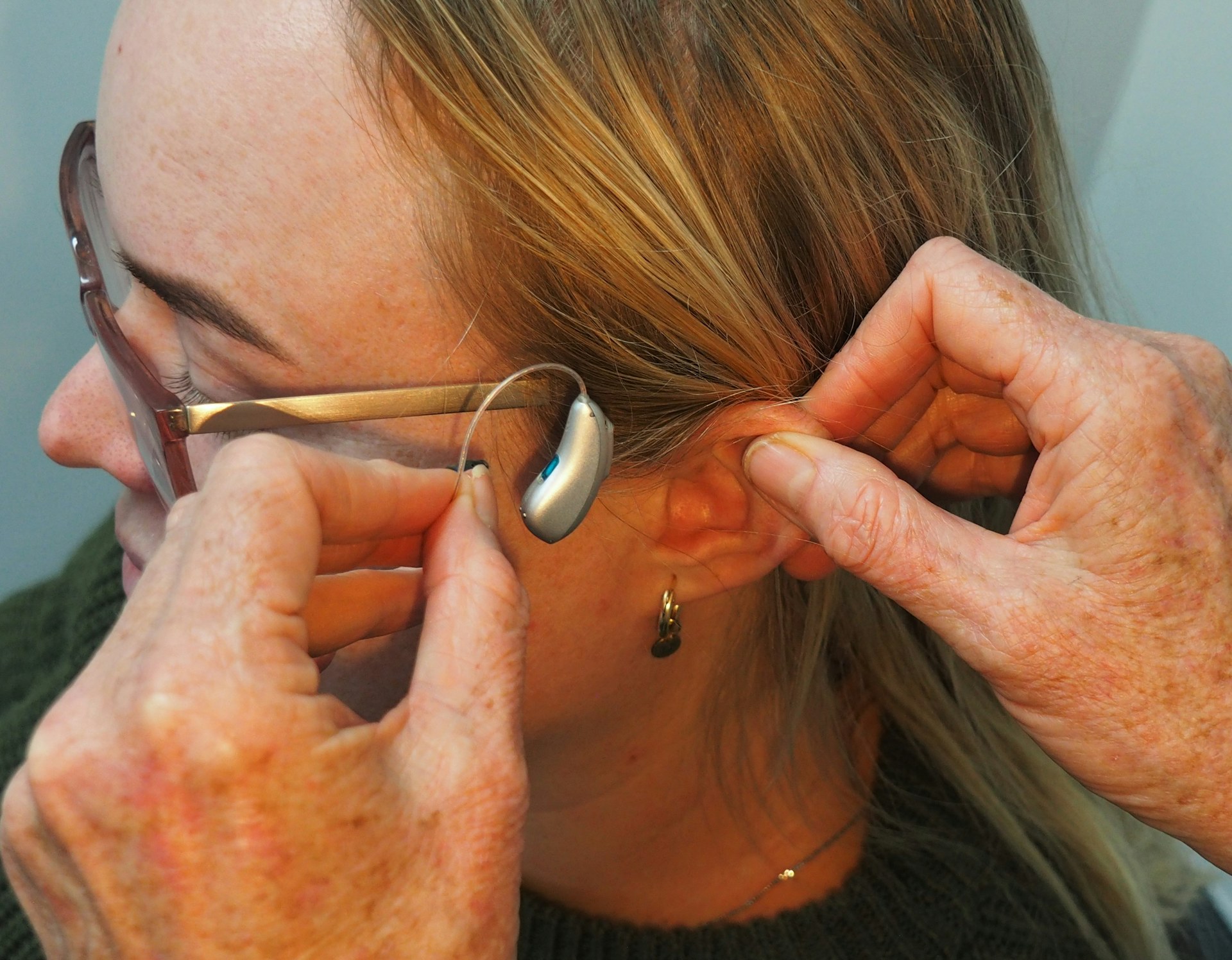
- fitting of a hearing device, if you need one
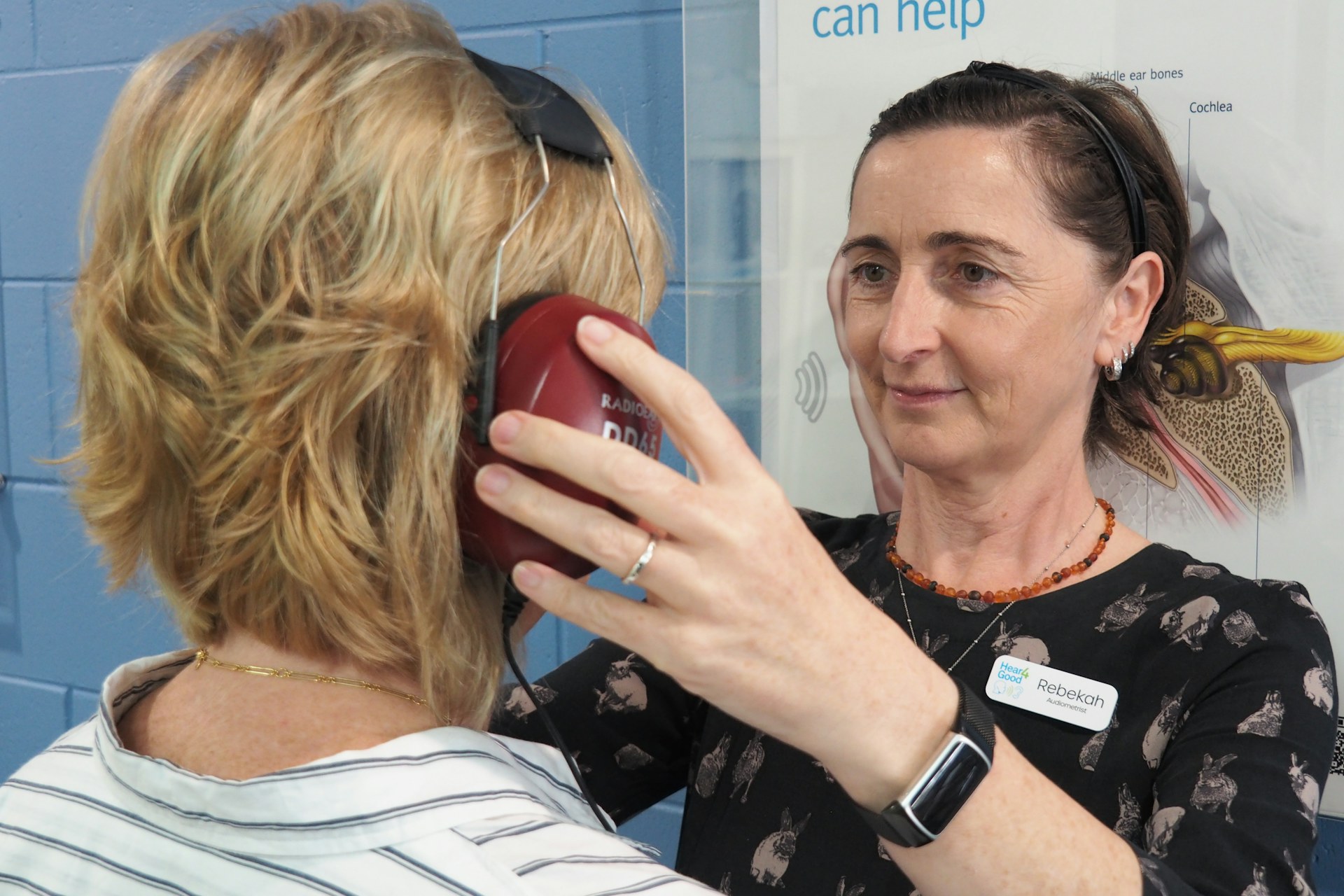
- follow-up appointments to adjust the settings and check you’re managing
- annual reviews of your hearing
- extra rehabilitation support for some first-time users, such as group sessions or a one-on-one appointment
- access to an optional maintenance agreement for batteries and repairs
The department says you can receive one device fitting and one hearing assessment every five years, unless your circumstances change and you need one sooner. Vouchers are valid for five years.
Fully subsidised versus partially subsidised devices
This is where most of the money questions come up. The program funds hundreds of fully subsidised hearing aids. If you need a device, your provider must offer you a fully subsidised one at no cost to you. The department is clear that these devices “will help you hear just as well” as partially subsidised ones; they may simply have fewer extras.
Partially subsidised (or “top-up”) devices may have features such as wireless connectivity, more channels or more automation. The program pays what a fully subsidised device would have cost and you pay the rest. The department warns that this gap “can be substantial”. Before you commit, your provider must give you a written quote showing the model, the government subsidy, maintenance and repair costs, the warranty, and the trial and returns period. Providers must also tell you if their staff have sales targets or commissions.
It’s entirely your choice. If a provider recommends a top-up device, it’s reasonable to ask what the equivalent fully subsidised option would be, take the quote home, and get a comparison quote from another provider. Our guide to hearing aid costs in Australia explains what private health insurance may contribute towards a gap. Many hearing clinics also publish their own explanations of how hearing aids for pensioners are funded, which can help you prepare questions before an appointment.
The maintenance agreement
Batteries, repairs and replacement parts add up over five years. A maintenance agreement covers batteries, servicing and repairs such as replacing domes, tubes and wax guards, plus adjustments. For a fully subsidised device, the department says the annual fee is about $50, indexed each year. For a partially subsidised device, the provider may set a higher fee, which must be explained to you in advance. Chargers for rechargeable devices are not covered.
For holders of a DVA Gold Card or White Card (for hearing loss), DVA pays the maintenance fee for a fully subsidised device. NDIS participants may be able to have the fee included in their plan if it is assessed as reasonable and necessary.
What isn’t covered
Some services are outside the program and you may need to pay for them:
- ear wax removal
- balance assessments and treatment
- tinnitus assessment and treatment (see our guide to ringing in the ears for other options)
- repairs and maintenance if you don’t have a maintenance agreement
- extra charges for home visits
Your provider should give you a form to acknowledge any service you’ll be charged for.
How to apply, step by step
- Check your eligibility. The department has an online eligibility checker and quiz. You’ll need your Centrelink reference number (or DVA number).
- Apply online. The online form takes a few minutes and asks for your full name, date of birth, eligibility number and contact details. It tells you straight away whether you’ve been approved.
- Or apply through a provider. Any provider in the program can apply on your behalf, often while you’re at the clinic. You can also post or email a paper form, but that takes three to four weeks.
- Get your welcome pack. Once approved, you’ll receive an information booklet and a list of local providers, by email or post. If you nominated a family member as an alternate contact, they’ll get a copy too.
- Book your hearing assessment. You can bring a family member or friend, and ask for an interpreter if you need one.
The program contact line is 1800 500 726 (National Relay Service 1800 020 103), or email [email protected].
Choosing and changing providers
You can use any provider in the program’s directory and search by suburb, town or postcode. Some appointments can be done by telehealth. You can change providers at any time for any reason, although you can only have one provider at a time. Your new provider will arrange the transfer of your records and take over your maintenance agreement. If you have a partially subsidised device, the new provider may set different maintenance terms.
Not sure you actually need a hearing aid yet? It’s worth reading about the early signs of hearing loss before your appointment, so you can describe the situations you struggle with. The department notes you don’t have to accept a device or decide on the day, and if your clinician doesn’t recommend one, you can still have your hearing reviewed annually at no cost.
Lost or broken hearing aids
If you lose a program hearing aid or damage it beyond repair, you’ll need to complete a Commonwealth statutory declaration (your provider can help) and pay a small replacement fee, which the department says is only a fraction of the real cost. If you had a partially subsidised device and want the same one again, you’ll pay the gap again. The replacement fee is waived for DVA Gold and White Card holders, people with dementia, and where the device was lost in hospital, lost by aged care or hospital staff, or lost by Australia Post or a courier.
Veterans, NDIS participants and Hearing Australia
Veterans with a Gold Card, or a White Card covering hearing loss, use the same program, and DVA can fund extras such as assistive listening devices and tinnitus treatment. DVA advises veterans not to pay for a device before the provider has sought approval, because it doesn’t reimburse devices already purchased.
NDIS participants who meet the program’s eligibility rules get their hearing services through the program, not the NDIS, though the NDIS may fund extra supports the program doesn’t cover.
Hearing Australia is a program provider like any other for voucher holders and can help you apply on 134 432. It also offers a free 15-minute hearing check if you’re unsure whether you have a problem.
Official sources: Department of Health, Disability and Ageing: Eligibility for the Hearing Services Program; Hearing Services Program: Services available; Hearing Services Program: Devices available; Hearing Services Program: How to apply; Department of Veterans’ Affairs: Hearing services; Hearing Australia: Funding options for adults.
FAQ
Are hearing aids free for pensioners in Australia?
Yes, for most. Pensioner Concession Card holders aged 21 or over who are citizens or permanent residents can get a voucher under the Hearing Services Program, and the provider must offer a fully subsidised hearing aid at no cost. An optional maintenance agreement costs about $50 a year.
Can I get free hearing aids with a Commonwealth Seniors Health Card?
No. The department states that a Commonwealth Seniors Health Card does not provide eligibility for the program. You may still be eligible if your spouse holds a Pensioner Concession Card.
How often can pensioners get new hearing aids?
The program allows one device fitting and one hearing assessment every five years, unless your circumstances change and you need one sooner. Your hearing can be reviewed annually in between.
Do I need a referral from my GP for the Hearing Services Program?
The department’s application steps don’t require a GP referral. You apply online, by post or email, or through a program provider, using your Centrelink or DVA number.
Are free hearing aids as good as the ones you pay for?
The department says fully subsidised devices help you hear just as well as partially subsidised ones. Paid “top-up” models may add features such as wireless streaming or more automatic settings.
Is ear wax removal covered?
No. Ear wax removal, tinnitus treatment and balance assessments are not covered by the program, so you may need to pay for them separately.
This article is general information only and isn’t medical or financial advice. Eligibility rules and fees were checked against official sources in November 2026 and can change. Confirm your own eligibility with the Hearing Services Program on 1800 500 726 before you rely on it.