
Lorraine, 71, from Bunbury, first noticed the high-pitched hum on a still night after her husband had gone to sleep. At first she thought it was the fridge, then the power lines outside. Weeks later it was still there, louder when the house was quiet and almost gone when the TV was on. She wasn’t sure whether it was something to worry about or just part of getting older.
Ringing, buzzing, hissing or humming in the ears with no outside source is called tinnitus. It’s common, more so as we age, and it’s most often linked to hearing loss. For most people it isn’t a sign of anything dangerous, and while there’s no single cure, a lot can be done to make it less noticeable and less distressing. A few patterns, such as tinnitus with sudden hearing loss, dizziness or a pulsing rhythm, should be checked by a doctor promptly.
What tinnitus is
Tinnitus is hearing sounds in your ears or head when nothing outside is making them. People describe ringing, buzzing, whistling, hissing, roaring, clicking or humming. It can be in one ear, both, or seem to come from inside the head. It may be constant or come and go.
There are two broad types:
- Subjective tinnitus, which only you can hear. This is by far the most common type.
- Objective tinnitus, which a doctor can also hear with a stethoscope, such as sound from a blood vessel or the jaw joint. It’s much rarer.
Healthdirect estimates that up to 1 in 5 people have tinnitus at some point in their life, and it becomes more common with age. For many it’s a mild background noise; for others it disrupts sleep and concentration and is linked to anxiety and low mood.
Common causes in older adults
Tinnitus is a symptom rather than a disease. The most common causes include:
- Age-related hearing loss. When the inner ear sends less sound information to the brain, the brain appears to “turn up the gain”, and the result can be phantom sound. This is the most common reason older Australians develop tinnitus.
- Noise exposure. Years of work in factories, on farms, in trades or the military, or around loud music, can damage the inner ear.
- Ear wax build-up pressing against the eardrum.
- Ear infections or inflammation.
- Inner ear conditions such as Ménière’s disease, which also causes vertigo and fluctuating hearing.
- Medicines. Healthdirect notes that non-steroidal anti-inflammatory medicines (NSAIDs) and some antidepressants can make tinnitus worse. Never stop a prescribed medicine on your own; ask your doctor or pharmacist to review your list.
- Head injuries and, rarely, tumours.
Sometimes no cause is found. That’s frustrating, but it doesn’t mean nothing can be done. For a clear explanation of the triggers and patterns audiologists look for, this overview of the common causes of ringing in the ears is a useful read alongside your doctor’s advice.
When to see a doctor, and when it’s urgent
Healthdirect advises seeing a doctor if you have symptoms of tinnitus or hearing loss. Your GP can check for wax or infection, review your medicines and refer you to an audiologist or an ear, nose and throat (ENT) specialist if needed.
Some situations need faster attention:
- Sudden hearing loss, often in one ear and sometimes with tinnitus or a blocked feeling, coming on over hours or up to three days: healthdirect advises going to your local emergency department, as early treatment can help recovery.
- Tinnitus with dizziness, ear pain, facial weakness or numbness, or after a head injury or a very loud noise: get medical care promptly.
- Pulsing tinnitus that keeps time with your heartbeat, or tinnitus in one ear only: see your GP, who may arrange tests to look for a cause.
If you’re unsure how urgent it is, the healthdirect helpline (1800 022 222) has registered nurses available 24 hours a day. In an emergency, call 000.
What helps
Treatment depends on the cause and on how much the tinnitus bothers you. Many people find their brain gradually stops noticing the sound, a process called habituation. The goal of most treatments is to speed that up and reduce the distress.
Treat what can be treated
If wax, an infection or a medicine is behind it, dealing with that may reduce or stop the tinnitus. Ear wax removal is usually done by a GP, nurse or audiologist; avoid cotton buds, which push wax deeper.
Hearing aids
Because tinnitus so often travels with hearing loss, hearing aids are one of the most effective options. Healthdirect notes that well-fitted hearing aids can reduce or even stop tinnitus linked to hearing loss. Bringing back the everyday sounds the brain has been missing makes the tinnitus less prominent. Many modern aids also include built-in sound generators.
Sound therapy
Low-level background sound makes tinnitus harder to notice. Options include a fan, soft music, a sound machine with rain or ocean sounds, or a smartphone app. It’s particularly useful at bedtime, when a quiet room makes tinnitus seem louder. Aim for a sound slightly softer than the tinnitus, not one that drowns it out completely.
Cognitive behavioural therapy
Cognitive behavioural therapy (CBT) doesn’t change the sound itself, but it has good evidence for reducing how distressing and intrusive tinnitus feels. A GP can refer you to a psychologist, and if tinnitus is affecting your mood or causing anxiety, a Mental Health Treatment Plan may give access to Medicare-subsidised sessions.
Everyday habits
- Manage stress, which tends to make tinnitus louder and more noticeable.
- Protect your hearing with ear plugs or earmuffs around mowers, power tools and loud events.
- Keep a regular sleep routine and use background sound at night.
- Notice whether caffeine, alcohol or tiredness makes yours worse; triggers vary between people.
- Stay socially connected, since withdrawing tends to increase focus on the sound.
Be wary of supplements, devices or “cures” sold online with big promises. There is no proven tablet that cures tinnitus.
Costs and government help
| Support | What’s covered | What to know |
|---|---|---|
| Hearing Services Program voucher | Hearing assessment and, if you have hearing loss that needs it, fully subsidised hearing aids | For people aged 21+ with a Pensioner Concession Card, Veteran Gold Card or White Card (hearing conditions), or their spouse. Tinnitus assessment and treatment themselves are not covered |
| Department of Veterans’ Affairs | Hearing services for Gold and eligible White Card holders, including tinnitus support | Hearing Australia runs a national tinnitus program with DVA and the ADF for current and former members |
| Medicare | GP visits; psychology sessions if you qualify for a Mental Health Treatment Plan | Gap fees may apply depending on the provider |
| Private health insurance | Some extras policies contribute to hearing aids | Limits and waiting periods vary; check your policy |
A Commonwealth Seniors Health Card does not on its own make you eligible for the Hearing Services Program. For the full picture, see our guides to free hearing aids for pensioners and how much hearing aids cost in Australia.
Tinnitus and hearing loss: get both checked
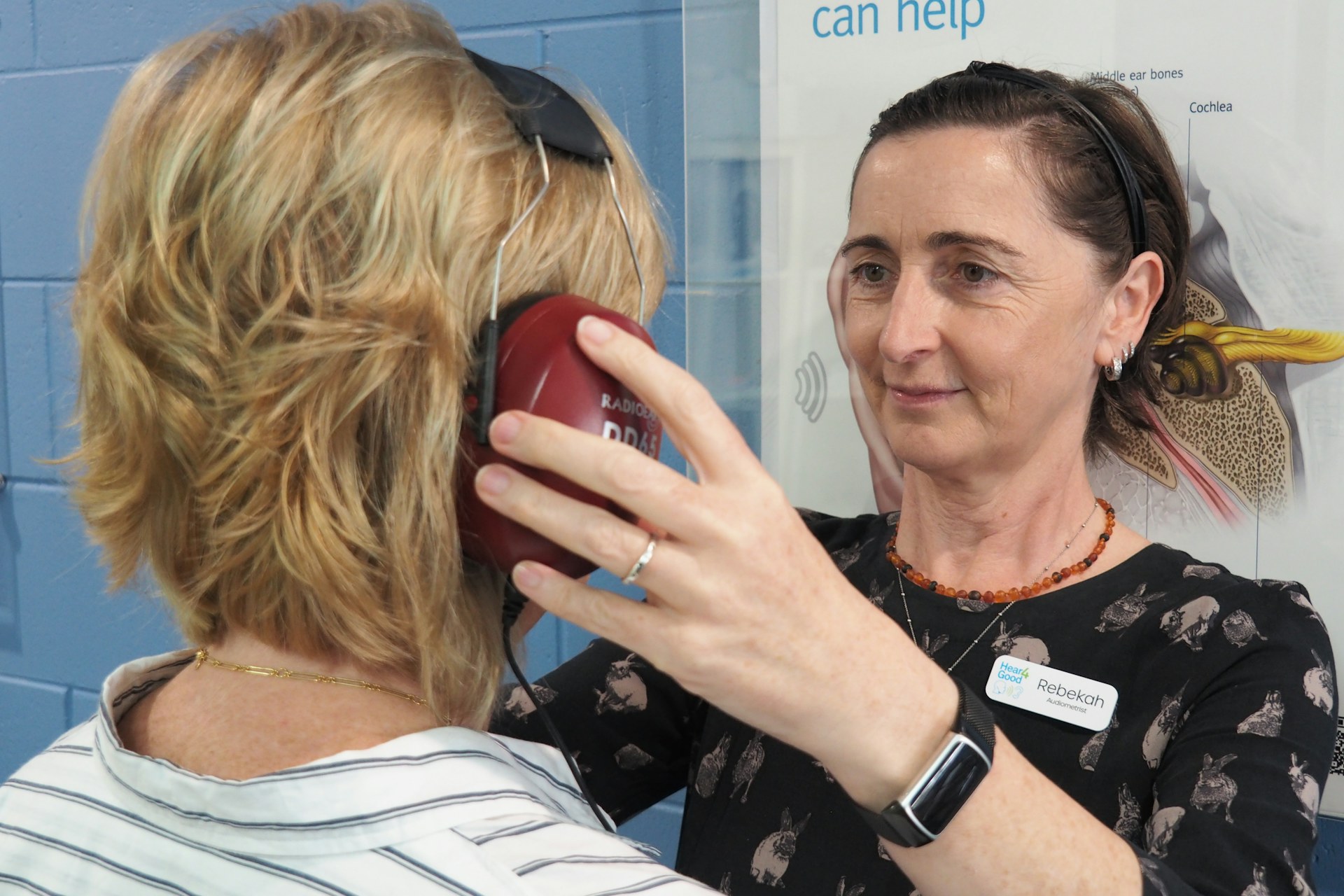
Because tinnitus and hearing loss are so closely linked, a full hearing assessment is usually the most useful first step after a GP visit. An audiologist can measure your hearing, describe your tinnitus in detail and suggest a management plan. Many people with tinnitus discover a hearing loss they hadn’t fully noticed. Our guide to the signs of hearing loss and when to get a hearing test explains what’s involved, and if you drive, hearing loss and driving covers the licensing rules.
Official sources: healthdirect: Tinnitus; healthdirect: Hearing loss; Hearing Services Program: Check your eligibility; Hearing Services Program: Services available under the voucher scheme; Hearing Australia: Funding options for adults.
FAQ
Is ringing in the ears a sign of something serious?
Usually not. Most tinnitus in older adults is linked to age-related hearing loss or noise exposure. See a doctor promptly if it comes with sudden hearing loss, dizziness, ear pain or facial weakness, follows a head injury, pulses with your heartbeat or affects only one ear.
Will tinnitus go away on its own?
Tinnitus from a temporary cause, such as wax, an infection or a loud concert, often fades. Tinnitus linked to permanent hearing loss usually persists, but many people habituate over time so that it becomes much less noticeable.
What is the best treatment for tinnitus in older adults?
There’s no single best treatment. For people with hearing loss, well-fitted hearing aids are often the most effective option. Sound therapy and cognitive behavioural therapy help many people, along with managing stress and protecting hearing.
Can medication cause ringing in the ears?
Yes. Healthdirect lists non-steroidal anti-inflammatory medicines (NSAIDs) and some antidepressants among medicines that can make tinnitus worse. Ask your doctor or pharmacist to review your medicines, but don’t stop any prescribed medicine without advice.
Does the Hearing Services Program cover tinnitus?
Tinnitus assessment and treatment are not covered by the voucher scheme. However, if you’re eligible and have hearing loss, the program can provide a hearing assessment and subsidised hearing aids, which often reduce tinnitus.
Why is my tinnitus worse at night?
There’s less background sound at night, so the tinnitus stands out. Tiredness and stress can also make it more noticeable. A fan, soft music or a sound app at a low level can help.
This article is general information only and isn’t medical advice. Health information and program rules were checked against official sources, including healthdirect, the Department of Health, Disability and Ageing and Hearing Australia, in November 2026 and can change. See your GP or an audiologist about your own symptoms, and seek emergency care for sudden hearing loss.