

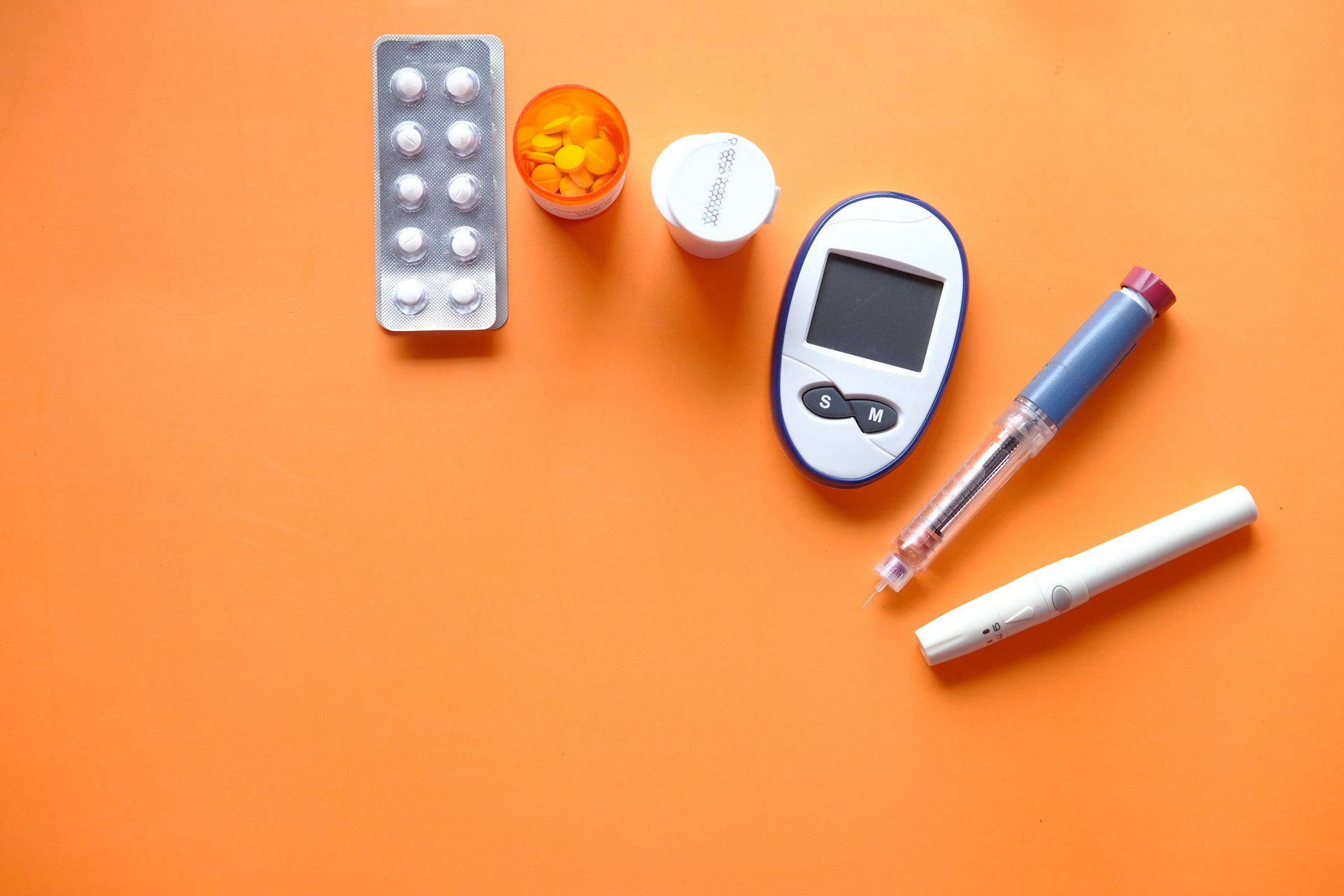
Graham is 68, lives outside Toowoomba and has had type 2 diabetes for a decade. Tablets kept it under control until this year, when his GP started him on insulin. He drives every day: to the shops, to golf, to pick up the grandkids. Nobody at the clinic said a word about his licence.
Graham now has a legal duty to tell Queensland’s Department of Transport and Main Roads about his diabetes. Plenty of people in his position don’t know that. Being on insulin rarely means losing your licence, but driving without telling the licensing authority can put your licence, your insurance and your legal position at risk if something goes wrong. Here’s how the rules work, and how to notify in each state and territory.
One national standard, eight sets of paperwork
Every state and territory judges medical fitness to drive against the same national guidelines, Assessing Fitness to Drive, published by Austroads and the National Transport Commission. Your doctor uses these standards to decide whether you can drive, and whether you need conditions on your licence.
The states differ on the admin: who you tell, which form you use, and how often you need a fresh medical certificate. So the medical question is national and the paperwork is local.
Do you have to tell the licensing authority?
It depends on how your diabetes is treated. The NDSS (the National Diabetes Services Scheme, an Australian Government initiative) puts it plainly: it’s your legal responsibility to tell the driver licensing authority in your state or territory if you take insulin or glucose-lowering medicines.
| How your diabetes is managed | What usually applies to a private (car) licence |
|---|---|
| Diet and exercise only | No licence conditions, according to the NDSS. Keep seeing your doctor regularly. |
| Tablets or other non-insulin glucose-lowering medicines | Under the Austroads standard, private drivers can generally hold an unconditional licence, but the licensing authority should require reviews every five years. |
| Insulin | A conditional licence may be issued. Your doctor (and sometimes a specialist) looks at your glucose control, any hypos and any complications, and you’ll have regular medical reviews to keep the licence. |
The condition that matters most isn’t really “diabetes”. It’s the risk of a hypo (low blood glucose) at the wheel, plus complications that affect your eyes, your feet or your alertness. That’s why the rules focus on treatment type and hypo history rather than on the diagnosis itself.
Private versus commercial licences
If you drive a truck, bus, taxi or rideshare, or hold a heavy vehicle licence, a tougher commercial standard applies. Under Austroads, conditional licences for commercial drivers treated with insulin are based on advice from an endocrinologist or a consultant physician specialising in diabetes, and at least three months of blood glucose records should be reviewed.
Plenty of retirees still drive for a living part-time, whether that’s school buses, community transport or rideshare. If that’s you, tell your doctor you drive commercially. The assessment is different, and you don’t want to find out after the fact that your certificate only covered a car.
“Above 5 to drive”: the rule worth memorising
If you use insulin or certain other diabetes medicines, the NDSS rule is simple: don’t drive if your glucose level is 5 mmol/L or below. Their practical checklist:
- Check your glucose before you drive, and every two hours on long trips.
- If you use a continuous glucose monitor (CGM), keep low and predicted-low alarms on. Don’t drive with an active low alert.
- Keep fast-acting carbohydrate (jelly beans, juice) and your meter in the car, and don’t skip meals before a drive.
- If you feel a hypo coming on, pull over, turn off the engine and take the keys out of the ignition.
- Treat it with 15 grams of fast-acting carbohydrate, recheck after 15 minutes and repeat until you’re above 5 mmol/L. Then have some longer-acting carbohydrate.
- Wait at least 30 minutes after your level is back above 5 mmol/L before driving again, and only drive if you feel well.
The NDSS also warns that you can’t rely on a CGM alone. Sensors can lag or misread, especially when new, so if you feel low, confirm it with a finger prick.
Severe hypos and hypo unawareness
A severe hypo is one where you can’t treat yourself and need someone else to help. That includes passing out or having a seizure. The NDSS guidance is that you shouldn’t drive after a severe hypo until a diabetes specialist has cleared you.
Hypo unawareness, where you no longer feel the early warning signs, is the other red flag. It becomes more common the longer you’ve had diabetes. If you’ve noticed hypos sneaking up on you, raise it with your doctor before your next licence medical, not at it.
What a conditional licence means in practice
A conditional licence is still a full licence. The “condition” is usually just that you have regular medical reviews and stick to your treatment. Your doctor or specialist recommends how often you’re reviewed, and the licensing authority sets it. You must carry out any condition written on the licence or certificate.
In our view, this is a fair trade. Telling the authority usually costs you a GP appointment and a form. Not telling them can cost far more. If you crash and a medical condition you hadn’t reported contributed to it, you can face prosecution, and your insurer may have grounds to dispute the claim.
How to notify, state by state
Each authority works a little differently. This is how to start the process in each state and territory, as at October 2026. Check the authority’s own site for the current forms.
| State/territory | Who to tell | How it usually works |
|---|---|---|
| NSW | Transport for NSW (via Service NSW) | Tell them as soon as possible, not just at renewal. Your doctor can lodge a medical report online, or you can send a letter with enough medical detail. Phone 13 22 13. |
| VIC | VicRoads (medical review) | Report the condition and have your doctor complete a medical report. |
| QLD | Department of Transport and Main Roads (TMR) | Report online, or use the medical condition notification form (F4355) with a Medical Certificate for Drivers (F3712). Details below. |
| WA | Department of Transport and Major Infrastructure | Your doctor completes a medical assessment. Phone 13 11 56. |
| SA | Department for Infrastructure and Transport (Service SA) | The condition is recorded and you’re sent a Certificate of Fitness for your doctor to complete at each review. |
| TAS | Department of State Growth (Transport Tasmania) | Notify and provide a medical certificate from your doctor. |
| ACT | Access Canberra | Notify and provide a medical certificate from your doctor. |
| NT | Motor Vehicle Registry | Notify and provide a medical certificate from your doctor. |
If you’re not sure where to start, the NDSS links to every authority’s contact details through Austroads, and its helpline (1800 637 700) can point you in the right direction.
Queensland: why it gets extra attention
Queensland’s medical reporting laws are known as Jet’s Law, named after 22-month-old Jet Rowland, who was killed in 2004 when a driver with epilepsy had a seizure at the wheel. The law says that if you drive in Queensland, even on an interstate licence, you must tell TMR about a permanent or long-term medical condition that’s likely to affect your ability to drive safely, and about any long-term worsening of a condition you’ve already reported.
The process:
- Book a longer appointment with your GP and say it’s for a fitness-to-drive assessment.
- Fill in part 1 of the Medical Certificate for Drivers (F3712) before you go, and take your licence and your glasses if you wear them to drive.
- Your doctor assesses you against the national standard and may refer you to a specialist. If there’s a wait, ask whether you’re eligible for an interim certificate.
- Report to TMR online, or send form F4355 with your certificate by email to [email protected], by post, or in person at a Transport and Motoring Service Centre.
Queensland drivers aged 75 and over have an extra layer: they must carry a current medical certificate every time they drive, whether or not they have a medical condition. We cover that in our guide to older drivers’ medical checks and licence renewal rules in each state.
Don’t forget your insurer
The NDSS recommends telling your car insurer that you have diabetes. They’ll let you know whether they need more information. If you run into trouble with an insurer over your diabetes, the Australian Financial Complaints Authority (1800 931 678) handles disputes for free.
When driving gets harder
Diabetes can affect driving in slower ways too: retinopathy blurring your vision, nerve damage in your feet making the pedals harder to feel, or sleep apnoea causing daytime tiredness. Regular eye and foot checks protect your licence as much as your health.
If the day comes when driving isn’t safe, it helps to have a plan in place. Most states offer seniors and pensioners transport concessions. Our guide to Seniors Cards in each state covers what’s on offer. And if staying independent at home is becoming a wider question, our piece on retirement villages versus ageing in place is a good next read.
Official sources: NDSS: Driving and diabetes; Austroads: Assessing Fitness to Drive, diabetes standards; Queensland Government: Reporting your medical condition; Legal Aid NSW: Medical illness or injury and your licence; Transport WA: Senior driver’s licence renewal.
FAQ
Do I lose my licence if I start insulin?
Usually not. Most people on insulin keep driving on a conditional licence with regular medical reviews. What matters is good glucose control, no recent severe hypos, being able to feel hypos coming on, and no complications that affect driving.
I only take tablets. Do I still have to tell anyone?
The NDSS says you must tell your licensing authority if you take insulin or glucose-lowering medicines, and that includes many tablets. Under the Austroads standard, private drivers on non-insulin medicines can generally keep an unconditional licence, with reviews every five years.
What blood glucose level is safe for driving?
Above 5 mmol/L. If you’re at 5 or below, or you have hypo symptoms, don’t drive. Treat it, recheck, and wait at least 30 minutes after you’re back above 5 and feeling well.
Does my GP tell the licensing authority for me?
Telling them is your responsibility, not your doctor’s. In some states a doctor can also report a patient they believe is unsafe to drive.
Can I still drive a bus or rideshare part-time?
Possibly, but you’ll be assessed against the stricter commercial standard. If you use insulin, that means specialist input and a review of at least three months of glucose records. Tell your doctor that you drive commercially.
This article is general information only and isn’t medical or legal advice. Licensing rules and forms change, so check with your state or territory licensing authority and talk to your doctor about your own situation.