

Graham, 72, had a minor stroke in Wollongong last winter. He felt fine within a fortnight and his car was sitting in the driveway, so he assumed he could simply pick up where he left off. His neighbour, a retired nurse, asked a question he hadn’t thought about: had he told Transport for NSW?
In every Australian state and territory, the duty to report a medical condition sits with you, the licence holder, not just your doctor. If you develop a permanent or long-term condition that could affect your ability to drive safely, you’re expected to tell your licensing authority. Stroke, heart disease, sleep apnoea, dementia, epilepsy and eye conditions such as glaucoma are the ones most often involved. Reporting rarely means losing your licence, but not reporting can bring fines, licence action and insurance problems.
The national standard behind every state’s rules
All states and territories assess medical fitness to drive using the same national guidelines, Assessing Fitness to Drive, published by Austroads and the National Transport Commission. The current edition took effect on 22 June 2022, and the NTC has begun its regular review of it, so some criteria may change in the next edition.
There are separate, stricter standards for commercial drivers (heavy vehicles, buses, taxis and dangerous goods) than for private drivers. Your doctor uses the guidelines to advise, but the licensing authority makes the final decision.
Temporary problems, such as a broken wrist or recovery from minor surgery, generally don’t need to be reported, though you should still follow your doctor’s advice about driving. The duty applies to permanent or long-term conditions and to changes in a condition you’ve already reported.
Who to tell in each state and territory
| State/territory | Who you tell | When | How |
|---|---|---|---|
| NSW | Transport for NSW | When a condition or recent surgery affects your ability to drive safely, not just at renewal | Email [email protected], visit a service centre or phone 13 22 13 |
| VIC | Medical Review (Department of Transport and Planning) | When you have or develop a serious, permanent or long-term condition, or treatment effects, that may affect driving | Talk to your doctor, report to Medical Review and send a medical report from a doctor who knows your history |
| QLD | Department of Transport and Main Roads | Permanent or long-term conditions likely to make driving less safe; changes as soon as you become aware of them | Through the Queensland Government “report a medical condition” service |
| WA | Department of Transport | Permanent or long-term conditions, or treatment likely to impair driving | Online form, the M109A notification form, or a letter with your licence number and full details |
| SA | Registrar of Motor Vehicles (via Service SA) | When you apply, when you renew, or when a condition is diagnosed; you or your doctor can report | Form MR712 (light vehicles) completed with your doctor, or phone Service SA on 13 10 84 |
| TAS | Registrar of Motor Vehicles | When you develop a permanent or long-term condition that may affect driving | Self-notification form through Service Tasmania; your GP may need to complete a medical assessment |
| ACT | Access Canberra | Within 7 days of becoming aware of a permanent or long-term condition | Email [email protected] or phone 13 22 81 |
| NT | Motor Vehicle Registry (MVR) | Any condition that may affect your ability to drive; short-term injuries such as a concussion or broken bone are excluded | In person or email [email protected] with your licence number and a brief description |
Penalties differ. Queensland states the clearest figure: failing to report can lead to a maximum court-imposed penalty of more than $10,000, and your licence could be cancelled. Western Australia says failing to notify is an offence that may carry a fine. Victoria warns that if you don’t provide a requested medical report, it is obliged to suspend your licence. Other states don’t publish a figure on their reporting pages, so check with your authority if you’re unsure.
The conditions most likely to need reporting
The national guidelines cover dozens of conditions. These are the ones that come up most often for older drivers. The time frames below are the minimum non-driving periods for private drivers; your doctor may advise longer.
Stroke
After a stroke, private drivers should not drive for at least four weeks, and only then if their doctor clears them. Commercial drivers face at least three months. Subtle changes to vision, attention and judgement matter as much as weakness, and some people are referred for an occupational therapy driving assessment. If you’ve had a transient ischaemic attack (TIA, or “mini-stroke”), ask your doctor about driving before you get behind the wheel.
Heart conditions
The guidelines suggest private drivers wait at least two weeks after a heart attack, at least four weeks after coronary artery bypass surgery, and at least two weeks after a pacemaker is fitted. Conditions that can cause sudden collapse or blackouts, such as some heart rhythm problems, are taken particularly seriously.
Sleep apnoea
Sleep apnoea becomes a licensing issue when it causes daytime sleepiness. A private driver with established sleep apnoea and moderate to severe daytime sleepiness, frequent drowsy driving, or a crash caused by sleepiness does not meet the standard for an unconditional licence. Many people regain an unconditional or conditional licence once treatment (usually CPAP) is working and their doctor confirms they’re using it.
Dementia and cognitive decline
A person diagnosed with dementia is not fit to hold an unconditional licence under the national guidelines. The licensing authority may grant a conditional licence, often with regular reviews, based on medical advice and sometimes a practical driving assessment. Conditions can include driving only in daylight, off-peak or within a set distance of home. Families who are worried can usually report concerns to the licensing authority themselves.
Vision, cataracts, glaucoma and macular degeneration
For an unconditional private licence, the national standard is visual acuity of at least 6/12 with both eyes open (with glasses if you need them) and a horizontal visual field of at least 110 degrees. Cataracts aren’t automatically a problem; what matters is whether your vision still meets the standard. Glaucoma and macular degeneration affect the visual field or central vision, so they usually need to be reported. NSW, for example, specifically says that if you develop glaucoma or macular degeneration you must notify Transport for NSW and provide a satisfactory eyesight report. After cataract surgery, ask your eye specialist when your vision is good enough to drive.
Epilepsy and seizures
The default national standard for private drivers is at least 12 months without a seizure, while following medical advice. Some situations, such as seizures caused by a temporary illness or sleep-only seizures, are treated differently, and a specialist can support an earlier return in some cases. A single seizure still needs to be reported.
Diabetes
Diabetes treated with insulin or certain tablets brings a risk of hypoglycaemia, and some people need a conditional licence with regular medical reviews. We cover the details in our guide to driving with diabetes in Australia.
Hearing loss
Hearing is the exception that surprises people. The national guidelines have no hearing standard for private car drivers, so mild or moderate age-related hearing loss on its own won’t stop you driving a car. Transport for NSW says hearing loss and deafness should not impair driving a private car and need no special conditions. Commercial drivers are different: an unaided hearing loss of 40 dB or more in the better ear means they don’t meet the unconditional standard, though a conditional licence with hearing aids is possible. Some states still list hearing loss among conditions that may need reporting, which we unpack in hearing loss and driving.
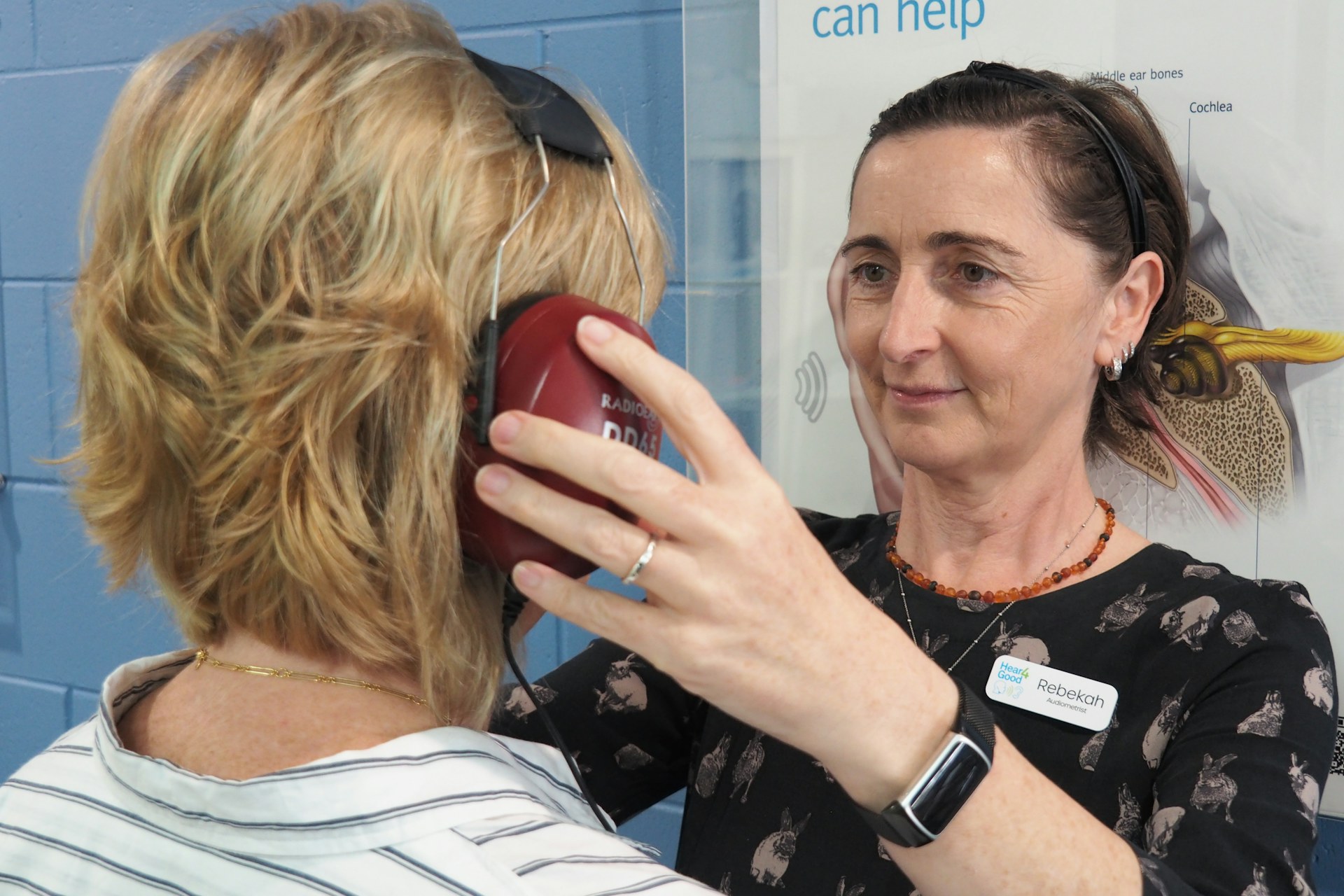
Hearing still matters behind the wheel: missing a siren or horn is a real risk, and hearing loss combined with other conditions can affect fitness to drive. If you’ve noticed you’re turning the radio up or missing parts of conversations in the car, getting a proper hearing test is a sensible step. Our guide to the signs of hearing loss and when to get tested explains what to look out for.
What happens after you report
Reporting starts a review, not an automatic suspension. The usual steps are:
- The licensing authority asks for a medical report, normally completed by your GP or specialist using the national guidelines. You usually pay for the appointment.
- The authority reviews the report and decides whether you can keep an unconditional licence, need a conditional licence, need a practical driving or occupational therapy assessment, or should stop driving.
- If you’re given a conditional licence, you may need periodic medical reviews (often yearly) and must follow any conditions, such as wearing glasses, daylight-only driving or staying within a set radius.
Doctors can also report patients directly, and in the NT health professionals are legally required to report a patient they believe is unfit to drive. If your doctor tells you not to drive, follow that advice even before the licensing authority acts.
Age-based checks are a separate system
Reporting a medical condition is different from the age-based medical checks some states require. NSW, Queensland and the ACT require yearly medicals from 75, and Western Australia from 80, whether or not you have a known condition. Our guide to older drivers’ licence medical checks by state covers those rules. You still have to report a new condition between scheduled medicals.
Why reporting protects you
The main risk of not reporting isn’t the fine. If you crash and it emerges that an unreported condition affected your driving, your insurer may refuse the claim and you could face legal action. Reporting and following any conditions is what keeps you covered.
Official sources: Austroads: Assessing Fitness to Drive; NSW Government: How medical conditions affect your licence; Queensland Government: When you must tell us about your medical condition; SA Government: Report a medical condition; Transport WA: Report a medical condition; Access Canberra: Medical conditions and fitness to drive.
FAQ
What medical conditions do you have to declare for a driver’s licence?
Any permanent or long-term condition that could affect your ability to drive safely. Common examples are stroke, heart conditions, sleep apnoea, dementia, epilepsy or seizures, diabetes treated with insulin or certain tablets, and eye conditions such as glaucoma or macular degeneration. If you’re unsure, ask your doctor or phone your licensing authority.
Does my doctor have to report me to the licensing authority?
In most states the legal duty to report sits with the driver, but doctors can report directly if they’re concerned, and NSW law protects doctors who do. In the NT, health professionals are legally required to report a patient they believe is unfit to drive.
How long after a stroke can you drive?
Under the national guidelines, private drivers shouldn’t drive for at least four weeks after a stroke, and commercial drivers for at least three months. You need your doctor’s clearance first, and you should report the stroke to your licensing authority.
Do I need to tell the licensing authority about cataracts?
Not automatically. What matters is whether your vision still meets the standard of 6/12 with both eyes and an adequate visual field. If cataracts take you below the standard, or your optometrist or eye specialist advises you to report, you should. Glaucoma and macular degeneration generally need to be reported.
Will reporting a condition mean I lose my licence?
Usually not. Most people who report keep driving, sometimes with conditions such as yearly reviews, daylight-only driving or a limited radius from home. A licence is suspended or cancelled when a person is assessed as unfit, fails a driving assessment, or doesn’t provide requested medical information.
This article is general information only and isn’t legal or medical advice. Rules were checked against official sources, including the Austroads Assessing Fitness to Drive guidelines and state and territory licensing authorities, in November 2026, and the national standards are under review. Talk to your doctor and check with your licensing authority about your own situation.